
Protection
Do You Need to Insure Your Engagement Ring in Canada?
Homeowner's and tenant's insurance usually isn't enough on its own. Here's what actually covers a custom piece, and what it costs.
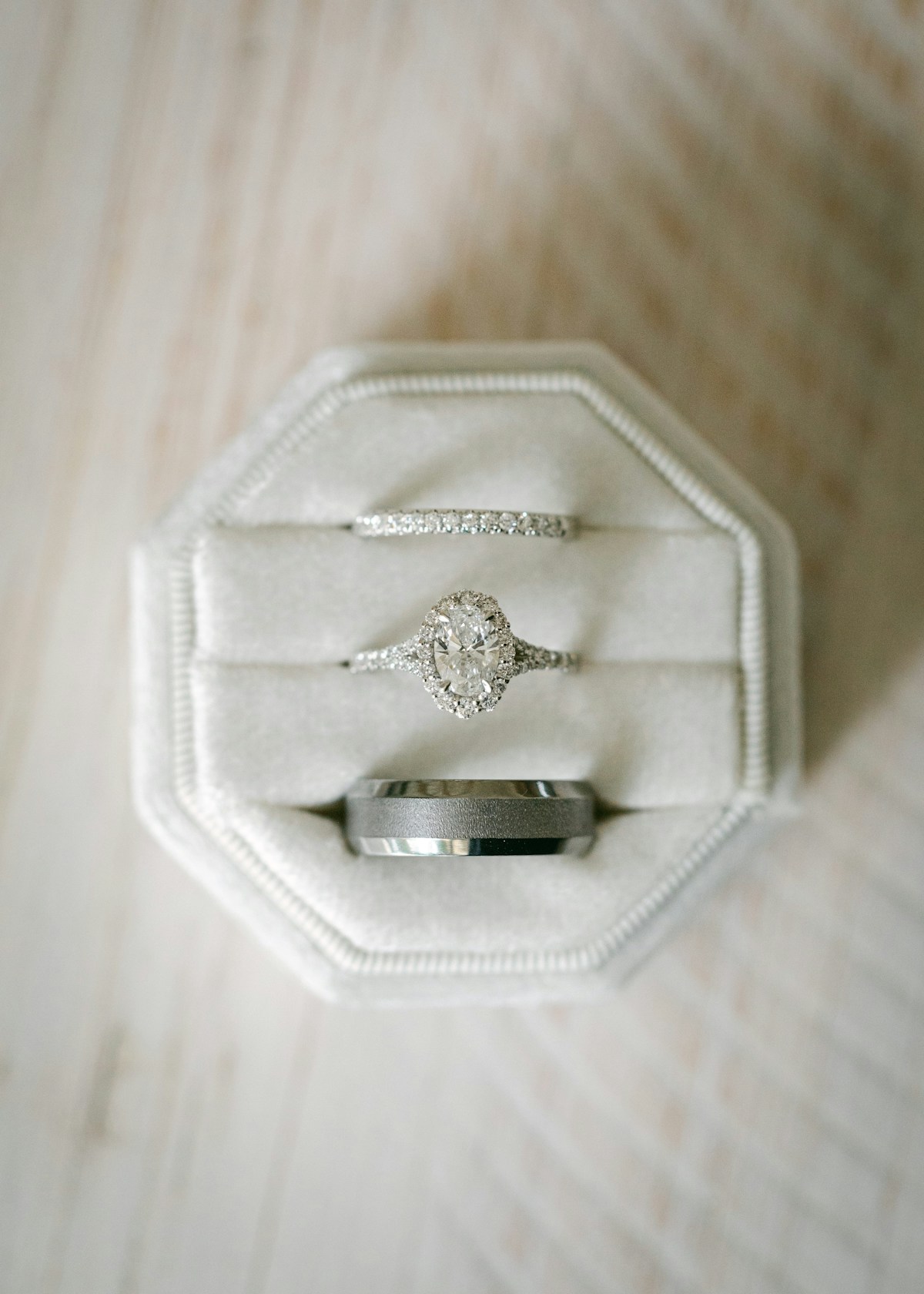
Home/tenant insurance alone usually isn't enough
Most standard policies cap jewelry coverage at a low amount — often $1,000–$2,000 total — regardless of your ring's actual value, and many exclude loss (as opposed to theft) entirely. If your ring cost more than that cap, you're underinsured by default.
A jewelry rider adds real coverage
Adding a scheduled item / rider to your existing home or tenant policy is usually the simplest and cheapest option — typically 1–2% of the item's value per year, and it covers loss, theft, and often accidental damage, not just theft.
Standalone jewelry insurance is also an option
Specialized insurers (e.g. Jewelers Mutual, available in Canada) offer standalone policies not tied to your home insurance — useful if you rent, don't have a policy, or want coverage that follows the ring anywhere, including while traveling.
What you need to get covered
An appraisal or the original sales documentation with a detailed description (metal, carat weight, clarity grade, certification number) is typically required. We provide full material documentation and certification with every piece specifically so this step is simple.
Keep your documentation somewhere safe
Store your certificate of authenticity, appraisal, and receipt separately from the ring itself — a cloud folder or a safe deposit box both work. If the ring is ever lost, this paperwork is what makes a claim fast instead of contested.
When to update your appraisal
Re-appraise every 3–5 years, or after any resizing or repair — metal and stone prices shift, and an outdated appraisal can mean being underinsured without realizing it.