
Buying Guide
Engagement Rings for Same-Sex Couples: What Actually Changes
Less than you'd think — but a few real questions come up more often, and deserve honest, direct answers.
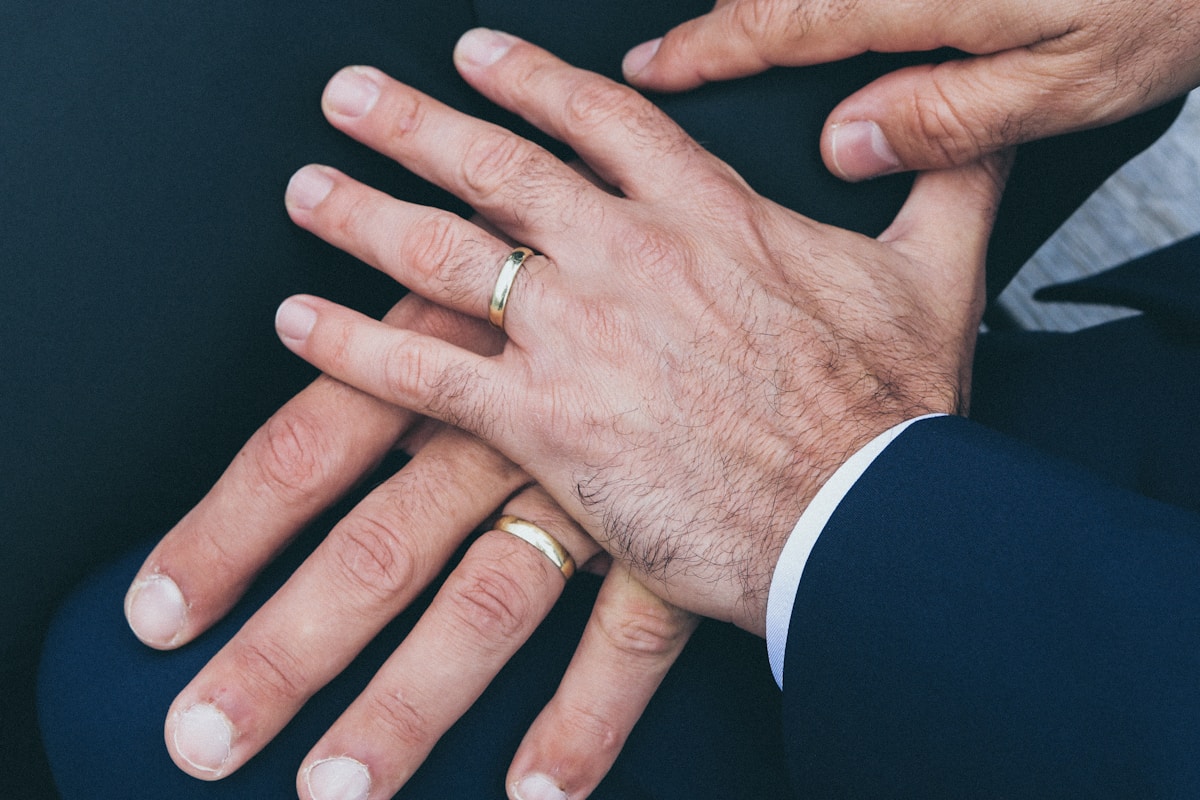
There's no rulebook to follow, and that's the point
Traditional engagement customs were built around one specific configuration. When that template doesn't apply by default, couples often find it genuinely freeing — every choice, from who proposes to what each ring looks like, gets decided based on what actually fits the two of you, not inherited assumptions.
Matching, complementary, or entirely different — all common
Some couples want identical rings as a clear symbol of equality in the relationship. Others prefer complementary designs — same metal, different stone or setting — reflecting two individuals rather than a matched set. Both are equally popular; there's no 'more correct' choice here.
Budgeting for two rings changes the math
If both partners are getting a comparable engagement ring, it's worth planning the combined budget together from the start rather than each person pricing a ring independently — a joint consultation makes it much easier to balance the two pieces so neither feels like an afterthought.
Who proposes, and with what, is genuinely open
Some couples do a simultaneous double proposal; others keep the traditional single surprise, with either partner initiating; some skip a formal proposal moment entirely and design rings together from the start. All of these are common, and none require justifying.
Working with a jeweler who won't make assumptions
The most useful thing a jeweler can offer here isn't a special same-sex-specific product line — it's simply not assuming a default configuration before you've said what you want. That's less about the rings themselves and more about how the conversation starts.