Diamonds & Stones
Oval Diamond vs. Round Diamond: How to Choose
The two most popular diamond shapes both deliver serious brilliance — the real differences come down to budget, finger flattery, and how each one wears day to day.
Both shapes are brilliant cuts — the difference is proportion
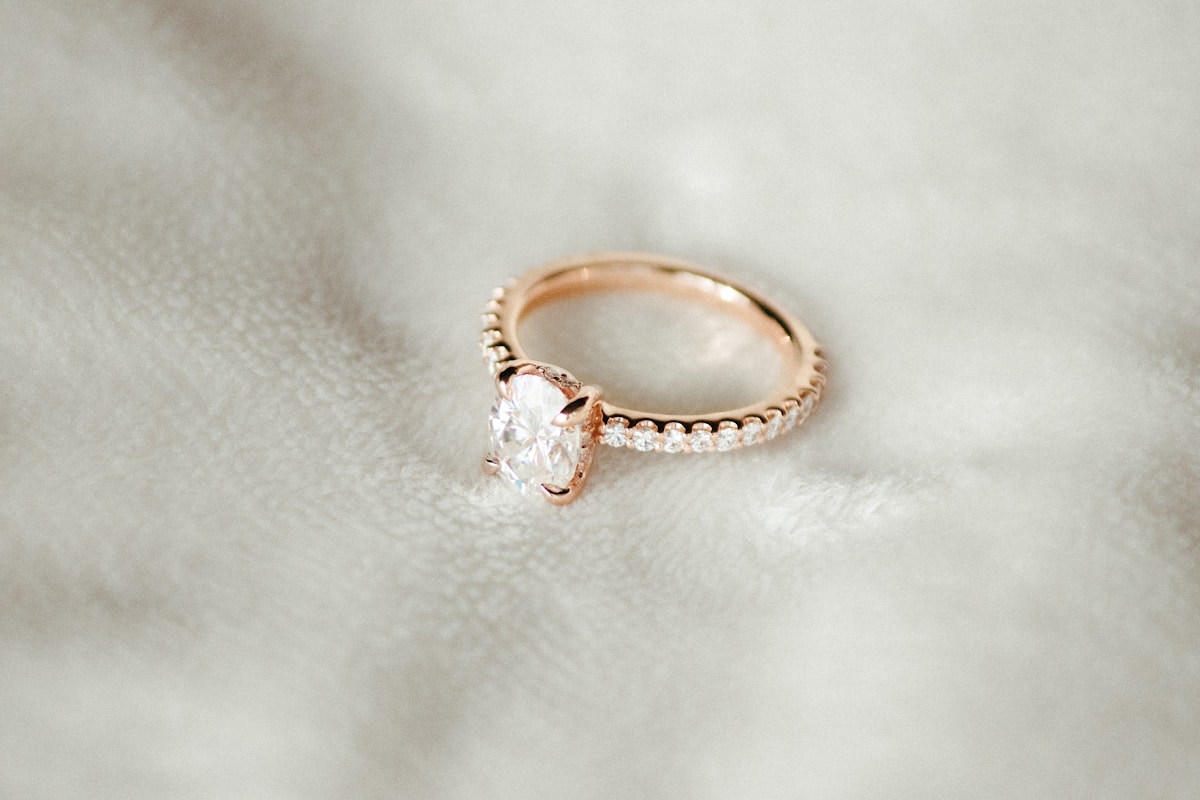
Unlike an emerald cut's step-cut facets, an oval is a modified brilliant cut, engineered with the same faceting logic as a round to maximize fire and sparkle. The main difference is the elongated silhouette rather than the facet structure — an oval genuinely does sparkle nearly as much as a round of comparable quality.
Oval offers a real budget advantage
An oval diamond's elongated shape means more surface area is visible from the top for the same carat weight, so it appears larger than a round of identical weight — often estimated at 10-15% larger-looking per carat. Combined with a lower price per carat than round (round carries the highest premium of any shape due to cutting waste and demand), an oval can deliver meaningfully more visual size for the same budget.
The bow-tie effect is worth understanding before you buy
Ovals can show a 'bow-tie' — a dark shadow-like band across the center of the stone caused by light blocking itself as it passes through the elongated shape. A well-cut oval minimizes this significantly; it's one of the most important things to evaluate when selecting the actual stone, not just the shape category.
Finger flattery
Like an emerald cut, an oval's elongated shape tends to visually lengthen the finger — a genuine advantage for anyone who finds round stones make their fingers look shorter. A round cut remains the safer, more universally neutral choice with zero orientation to worry about.
Durability
An oval's rounded, continuous outline (unlike an emerald cut's sharp corners) makes it nearly as chip-resistant as a round — one of the reasons it works well for people who want elongation without taking on the corner vulnerability of a step cut.
Making the decision
If maximum brilliance in the most classic, foolproof shape matters most, round remains the reference standard. If you want that same sparkle with a more elongated silhouette, a look of larger size for your budget, and a shape that photographs a little differently than everyone else's ring, oval is a genuinely strong alternative worth bringing to your consultation.